

How to Register Foreign Phone in Turkey
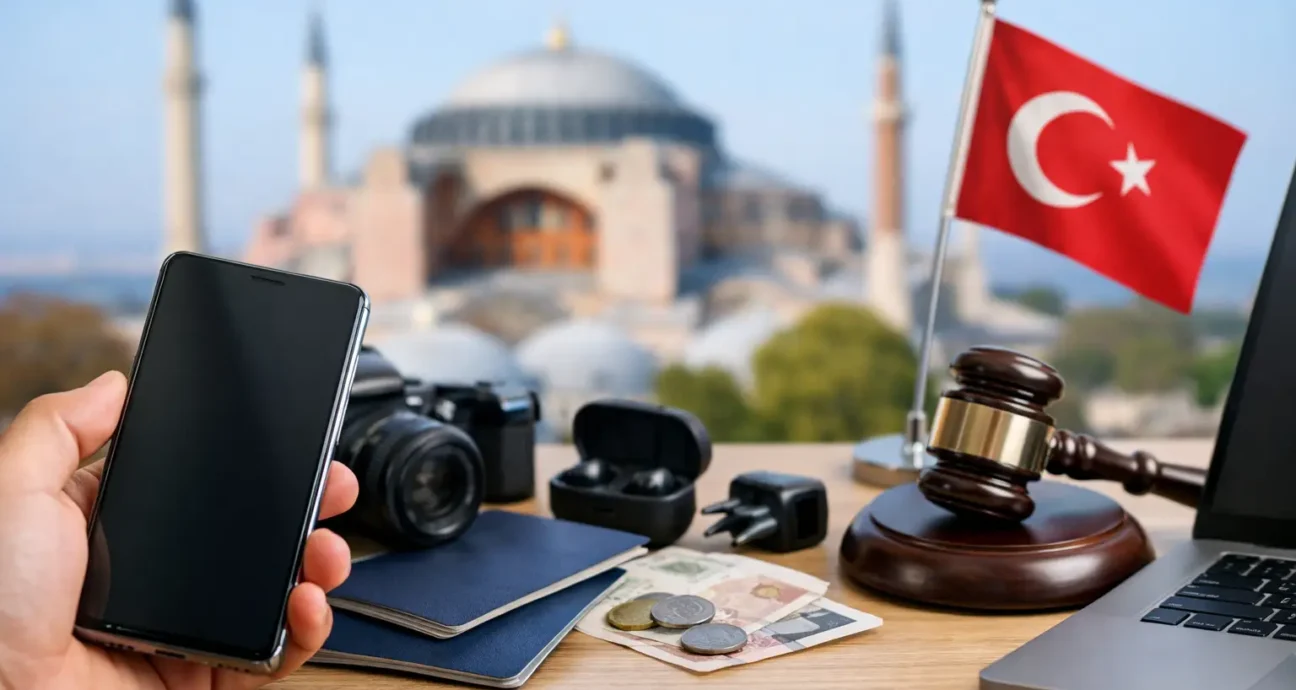
You usually notice the problem at the worst time – your local SIM works for a few days, then your foreign phone starts showing service warnings, or one line works while another stops. If you need to register foreign phone Turkey rules can feel confusing fast, especially when different people mention different deadlines, fees, and exceptions.
The core issue is not the SIM card itself. In Turkey, the main concern is the device’s IMEI registration. A phone brought from abroad can be used for a limited period with a Turkish SIM, but after that period the device may be blocked from local mobile networks unless it is properly registered. For foreigners, the details matter because residency status, travel history, and ownership all affect what is possible.
What it means to register foreign phone Turkey rules
When people say they want to register a foreign phone in Turkey, they usually mean registering the device’s IMEI so it can continue working with Turkish mobile operators. The IMEI is the phone’s unique identification number. Turkey tracks whether a device was imported through official channels or brought in personally from abroad.
If your phone is not registered within the allowed framework, the device may stop working with Turkish SIM cards. That does not always mean the phone is broken. It means Turkish operators may no longer allow it onto their networks. In practice, many foreigners first discover this only after buying a local line and relying on it for banking, residence permit updates, school registration, or work communication.
Who usually needs to register a foreign phone in Turkey
Not every visitor needs to deal with registration right away. A short-term tourist staying briefly may use their foreign device during the temporary usage period and leave before it becomes an issue. The situation changes for people planning to stay longer.
International students, expats, foreign employees, property owners spending extended periods in Turkey, and people applying for residence permits are more likely to run into registration requirements. If your daily life depends on a Turkish SIM card, the question is less whether registration matters and more when it becomes unavoidable.
There is also a practical trade-off. Some people decide not to register an imported phone because the registration tax can be very high compared with the value of the device. In those cases, buying a locally sold phone may be cheaper. For newer premium phones, registration may still make financial sense. It depends on the device and your length of stay.
The time limit and why people get caught off guard
Turkey has applied different technical and administrative rules over time, and the details can change. That is why you should always verify the current official deadline and procedure before acting. Broadly, a foreign phone can work for a limited time on Turkish networks before registration becomes necessary.
The common mistake is assuming that swapping SIM cards resets the clock. It usually does not solve the underlying IMEI issue. Another mistake is waiting until the line is blocked and then trying to fix everything urgently. Once your phone becomes central to banking apps, e-Government access, and two-factor authentication, even a short interruption can create bigger problems than expected.
Can foreigners register a phone in Turkey?
In many cases, yes, but eligibility depends on your legal status and the current registration rules. Turkish citizens are not the only people who may need or seek IMEI registration. Foreign nationals living in Turkey may also be able to register a device, but the process often requires matching personal identification details, legal stay documents, and proof connected to entry into Turkey.
This is where many online explanations become too broad. The answer is not simply yes or no. It depends on whether the foreign national has the right identification number, whether the device was brought in under the relevant conditions, and whether the application is made within the allowed period.
If you are a tourist without longer-term status, your options may be narrower. If you have a residence permit or another recognized legal basis for staying in Turkey, the process may be more straightforward. Even then, the registration is usually tied to the person who brought the device into the country and that person’s records.
What documents are commonly involved
The exact paperwork can vary, but people registering a foreign phone in Turkey are often asked for identification details, travel or entry records, tax payment proof, and device information such as the IMEI number. Foreign nationals may also need a foreigner identification number or residence-related documentation, depending on their status and the system being used.
You should not rely on informal screenshots or social media posts for document requirements. Small mismatches matter. A name format that differs from your passport, an outdated residence card, or the wrong IMEI number can delay the process. Dual-SIM phones can create another layer of confusion because they may have more than one IMEI.
Before submitting anything, check the device settings carefully and compare the IMEI numbers shown on the phone, box, and any registration screen. If those do not match, solve that issue first.
Taxes and fees are often the biggest obstacle
For many people, the registration fee is the real decision point. Turkey’s phone registration tax has increased significantly over time, and the amount can be high enough to make registration hard to justify for mid-range or older devices.
That is why there is no single best answer for everyone. If you brought a recent flagship phone and plan to live in Turkey for a long period, registration may still be worth it. If your device is older, or you are unsure how long you will stay, buying a phone already sold in Turkey may be the more practical route.
There is also a budgeting issue people forget. Registration is not just about having the money for the tax. You may also need your phone working continuously for work permits, banking, university systems, delivery apps, and government notifications. Delaying the decision can end up costing more in disruption than the fee itself.
How the process usually works
In general terms, the process involves confirming eligibility, paying the required tax or fee through the proper channel, and completing the IMEI registration using the authorized government system or method available at that time. Some parts may be handled digitally, while others depend on your identification records already being active and correctly matched in the system.
For foreigners, the most important part is consistency across records. Your passport details, foreigner ID number if applicable, entry information, and device details need to align. If one system shows a different spelling or number format, the application can fail even if you are otherwise eligible.
This is one reason people often feel stuck. The procedure itself may not be conceptually hard, but Turkish administrative systems can be unforgiving about data mismatches. Patience helps, but careful checking helps more.
Common problems after registration attempts
A paid fee does not always mean the phone will start working immediately. Sometimes activation takes time. Sometimes one SIM slot works while the other does not because the wrong IMEI was entered. In other cases, the registration may be linked incorrectly or not fully processed.
Another issue is assuming that any phone brought from abroad can be registered at any time. There are usually conditions about when the device entered Turkey and who brought it in. If those conditions are not met, payment alone may not fix the problem.
You should also be careful with advice suggesting workarounds through unofficial technical changes. Those approaches can create bigger legal and practical issues, and they do not replace valid IMEI registration.
Should you register the phone or buy one in Turkey?
This is the question most foreigners really need answered. If you are staying briefly, using the temporary period may be enough. If you are staying long term and your phone is valuable, registration may be sensible. If the fee is close to the cost of a replacement device in Turkey, buying locally may be the better choice.
There is no one-size-fits-all answer because your immigration status, budget, and timeline matter. A student trying to keep costs down may choose a local budget phone. A business owner who depends on a high-end device may prefer registration. A family may even do both – register one essential device and buy another locally.
If you are trying to register foreign phone Turkey requirements without speaking Turkish or understanding the local systems, focus first on your legal status, your timeline, and the current official fee. Once those three pieces are clear, the decision usually becomes much easier.
If the process feels fragmented, that is normal. Foreigners in Turkey often have to piece together rules across telecom, tax, immigration, and identity systems. Clear information saves time, but it also saves stress – especially when your phone is the device you use for almost every other legal and administrative step in the country.