

Probate Process Turkey: What Heirs Should Expect
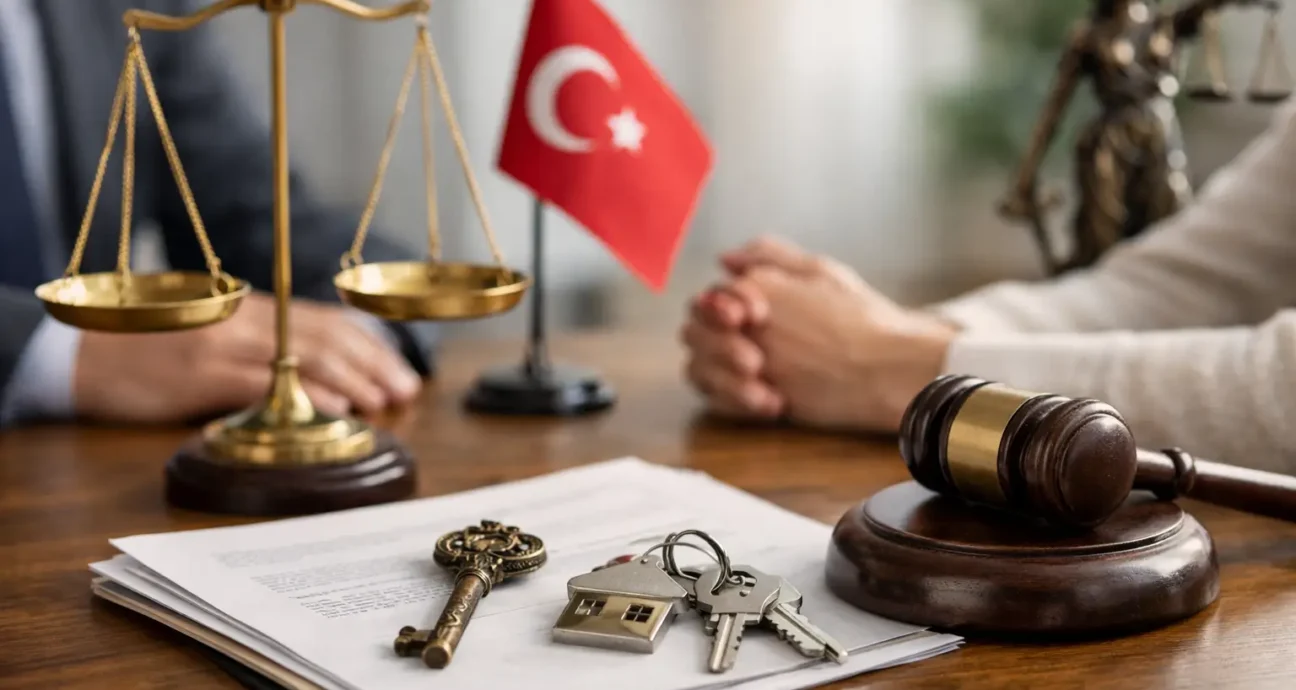
When a relative dies with assets in Turkey, families often discover the hardest part is not finding the property or bank account. It is figuring out which authority recognizes the heirs, which documents from abroad will be accepted, and how the probate process Turkey applies works in practice.
For foreigners, that uncertainty is the real problem. Turkish inheritance rules are not impossible to deal with, but they are document-heavy and very procedural. If one paper is missing, untranslated, or not properly legalized, a straightforward matter can stall for weeks or months. The good news is that once you understand the sequence, the process becomes much easier to manage.
What the probate process Turkey usually involves
In practical terms, probate in Turkey is about establishing who the legal heirs are and then transferring the deceased person’s assets to those heirs. This can include real estate, money in Turkish banks, company shares, vehicles, or other registered property.
A key document in many cases is the certificate of inheritance, sometimes called a determination of heirs decision. This document identifies who is entitled to inherit under the applicable rules. Without it, heirs usually cannot move forward with title transfers, bank access, or related tax steps.
For Turkish citizens, some inheritance matters may be handled through a notary if the legal conditions are met. For foreign-connected cases, especially where the deceased or the heirs are not Turkish citizens, the matter often goes through the civil court of peace. That is one reason international estates tend to take longer.
Why foreign heirs face extra steps
If you are a US citizen or another non-Turkish heir, the legal issue is not only inheritance law. It is also proof. Turkish authorities will want official documents showing the death, the family relationship, and in some cases the legal status of the deceased in their home country.
That usually means foreign documents must be translated into Turkish and formally authenticated. Depending on the country of origin, this may require an apostille or consular legalization. A death certificate in English may be perfectly valid where it was issued, but it will not automatically be accepted by a Turkish court, land registry, or bank in its original form.
This is where many families lose time. They focus on the asset first and the paperwork second. In reality, Turkish authorities usually want the paperwork settled before they discuss transfer.
Which law applies to inheritance in Turkey?
This is where things become more nuanced. Not every inheritance question is governed by Turkish law in the same way.
As a general rule, immovable property in Turkey, such as apartments, land, and houses, is typically subject to Turkish law for inheritance purposes. Movable assets may raise conflict-of-law questions depending on nationality, residence, and the type of asset involved. That distinction matters because the heirs recognized under one legal system may not match the outcome under another.
For example, a will prepared abroad may still be relevant, but it does not automatically bypass Turkish legal requirements for property located in Turkey. The court or authority handling the matter may still need to review whether the will can be recognized and how it interacts with Turkish mandatory inheritance rules.
So if the estate includes Turkish real estate, do not assume that a foreign probate order alone will complete the transfer. It may help, but it is often only part of the file.
Main documents heirs usually need
The exact set of documents depends on the estate, nationality, and whether there is a will. Still, most probate files in Turkey involve some version of the same core package.
Heirs are commonly asked for the death certificate, identity documents or passports of the heirs, documents proving family relationship, and records showing the deceased person’s assets in Turkey. If there is a foreign will or a foreign court decision, those documents may also need to be submitted.
Translation is usually not optional. Documents in English or another foreign language generally need a sworn Turkish translation, and the original documents often need apostille or legalization before translation or filing. Names also need to match across documents. Something as small as a spelling difference between a passport and a birth certificate can create avoidable questions.
Getting the certificate of inheritance
For many heirs, this is the central step in the probate process Turkey requires. The certificate of inheritance is what confirms who can act as heir before Turkish institutions.
If the case has a foreign element, the application is commonly made to the civil court of peace in the relevant jurisdiction. The court reviews the available records and submitted documents, and if the file is complete, it issues a decision identifying the heirs and their shares.
That sounds simple, but there are practical complications. If the family structure is not clear, if there were multiple marriages, if children were born in different countries, or if records are incomplete, the court may request additional evidence. If the deceased was a foreign national, the court may also require proof of inheritance rules or civil registry records from the home country.
Timing varies. A clean file may move fairly quickly, while a file involving missing records or a disputed will can take much longer.
What happens after heirs are recognized
Once the heirs are legally identified, each asset must still be dealt with through the correct authority.
If the estate includes real estate, the land registry process becomes important. The property generally cannot be transferred until inheritance tax procedures are addressed and the required documents are filed. If the estate includes bank accounts, the bank may ask for the certificate of inheritance, tax documents, identity documents, and sometimes additional compliance paperwork before releasing funds.
If there are company shares, vehicles, rental income, or unpaid debts, each item may involve a separate administrative step. This is why families often feel the case is finished after the court order, only to find that the transfer stage has its own paperwork.
Inheritance tax and fees
Foreign heirs should expect tax questions early, not late. Turkey imposes inheritance and transfer tax, and declarations generally need to be filed within the legal time limits. The amount depends on the value of the inherited assets and the relationship to the deceased.
This does not always mean the tax burden is extreme, but ignoring the tax step can block progress. A property transfer at the land registry, for example, may not move forward if the tax side is incomplete. There may also be title deed fees, court expenses, translation costs, and attorney or proxy costs if someone handles the matter on behalf of the heirs.
For cross-border families, there is another practical issue: valuation. Turkish authorities may require official or accepted asset values, especially for real estate. That can affect both timing and tax calculation.
Common delays in the probate process Turkey follows
Most delays come from one of four issues: incomplete foreign documents, authentication problems, uncertainty about the heirs, or assumptions that a foreign legal document will be automatically accepted in Turkey.
Another frequent problem is jurisdiction confusion. Families may not know whether to start with a court, a notary, a tax office, a bank, or the land registry. In practice, the order matters. Starting with the wrong office rarely ends the case, but it can waste time.
Disputes also change the timeline completely. If one heir challenges the will, contests asset ownership, or claims a different share, what looked like an administrative process can turn into litigation. At that point, the issue is no longer only probate. It becomes a contested inheritance matter.
Practical steps for foreign heirs
If you are dealing with an estate in Turkey, the most useful first move is to gather and check all civil status documents before contacting each institution separately. Make sure names, dates, and family relationships are consistent. Then confirm which documents need apostille, which need translation, and whether the case should go to a Turkish court for a certificate of inheritance.
It also helps to identify the assets early. A family may know about an apartment but forget a bank account, vehicle, or shareholding. Each asset can require a different transfer path, and missing one can create problems later.
If you cannot be in Turkey, a power of attorney may allow a representative to act for you, but the power of attorney itself usually needs to meet Turkish formal requirements. That is another area where small mistakes cause large delays.
For many foreigners, the easiest way to stay organized is to treat the matter as two tracks running at the same time: first, prove who the heirs are; second, prepare the transfer steps for each asset. That approach reduces back-and-forth and makes it easier to spot what is still missing.
A probate case in another country can feel familiar until it reaches Turkey’s document rules and local procedures. Once you work from the right sequence, though, it becomes much more manageable. If you are unsure where to start, focus on the heirship documents first, because almost every other step depends on them.