

How to Appeal Visa Rejection in Turkey
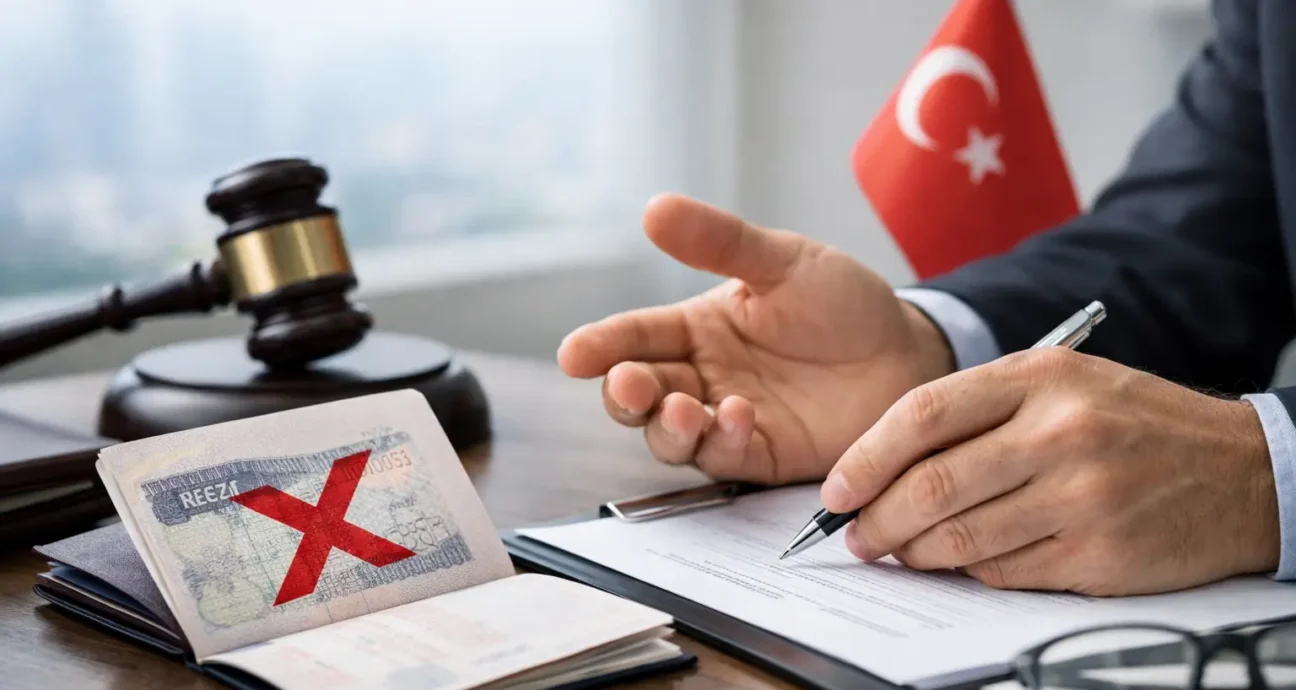
A visa refusal can derail travel plans fast, especially if you already booked a flight, arranged housing, or planned a move. If you are trying to understand how to appeal visa rejection turkey cases, the first step is to slow down and read the refusal notice carefully. The reason for the refusal matters more than most applicants realize, because it affects whether an appeal has a real chance or whether a new application is the smarter option.
Turkey visa refusals do not all follow the same path. The process can differ depending on whether you applied for a short-stay visa through a Turkish consulate, through an authorized visa intermediary, or for a different immigration status tied to residence, study, work, or family circumstances. That means there is no single appeal template that works for everyone. What helps is understanding the refusal reason, the authority that made the decision, and the evidence you can use to answer that decision directly.
How to appeal visa rejection in Turkey
Start with the refusal letter or written notification. This document should show the date of the refusal, the authority involved, and in many cases the legal or practical reason the application was denied. Some refusals are based on missing documents. Others are based on doubts about purpose of travel, financial means, return intention, prior immigration history, or security-related concerns. An appeal is only useful if you can address the actual reason.
If the notice is vague, do not guess. Review your submitted file and compare it against the visa category requirements. In practice, many applicants think they were refused for one reason when the file actually shows a different weakness. For example, someone may focus on bank balance when the bigger issue was inconsistent travel purpose or an invitation letter that did not match the declared itinerary.
An appeal usually needs to be written, supported by documents, and submitted to the relevant Turkish authority or consular channel identified in the refusal process. In some cases, the better route is not a formal objection but a corrected reapplication. This is one of the main trade-offs. If the refusal came from a simple documentary gap, a fresh application with stronger evidence may move faster than an appeal. If the refusal was based on a misunderstanding or a clear factual error, an appeal may be worth pursuing.
Check whether your case is appealable
Not every refusal leads to the same kind of review. Some decisions can be challenged through administrative objection or later through court review, while others are handled more informally through resubmission. This depends on the visa type, where you applied, and the legal basis of the refusal.
For short-term entry visas, applicants are often dealing with consular practice rather than a broad, user-friendly appeal system. That does not mean you have no options. It means you need to verify the correct procedure for that specific consulate or application center. If the refusal notice mentions a deadline, treat it seriously. Missing the filing period can close off one route even if your case is otherwise strong.
What to include in a Turkey visa appeal
A strong appeal is not emotional. It is specific, organized, and tied to evidence. If you simply say the decision is unfair, that usually does not help. If you explain why the refusal reason is wrong and attach documents that answer it point by point, your chances improve.
Your appeal should usually include your personal details, passport information, application reference number, refusal date, and a clear statement that you are requesting reconsideration of the rejected visa application. After that, explain the refusal reason in your own words and respond to it directly.
If the issue was insufficient proof of finances, provide updated bank statements, pay slips, sponsor documents, tax records, or proof of ongoing income. If the issue was travel purpose, include hotel bookings, event registrations, business invitation letters, school records, family documents, or a clearer itinerary. If the concern was return intention, evidence of employment, ongoing study, business ownership, lease obligations, family ties, or previous lawful travel history may help.
Consistency matters as much as quantity. Ten documents that contradict each other are worse than three documents that fit together cleanly. Dates, names, passport numbers, addresses, and the stated travel purpose should match across the file.
Explain changes since the refusal
If something important has changed since the original application, say so plainly. Maybe you now have stronger financial evidence, a corrected invitation letter, or a better explanation of who is covering your expenses. Do not hide the fact that you are supplementing the file. Make it easy for the reviewer to see what is new.
At the same time, do not manufacture a new story just to fit the refusal. A sudden change in travel purpose can create new doubts. The safer approach is to clarify the original purpose with better evidence, unless your circumstances genuinely changed.
Common reasons visa appeals fail
The most common problem is that the applicant does not answer the real refusal reason. Another is overloading the file with irrelevant documents while ignoring the weak point. A short cover letter with precise supporting records is often more effective than a large, confusing package.
Translation can also be an issue. If your documents are not in the accepted language for the authority reviewing the matter, they may carry less weight or create delays. The same applies to uncertified copies where certified or original documents are expected.
Timing matters too. If you wait too long, your travel dates may pass, your documents may expire, or the practical value of the appeal may disappear. This is especially relevant for business visits, study-related travel, and family events with fixed dates.
When reapplying may be better than appealing
If the refusal was based on missing documents, weak financial proof, or an incomplete explanation, a new application is often the cleaner route. You can rebuild the file from the start and avoid spending time on a challenge that may take longer than the trip itself allows.
If the refusal appears legally flawed, based on incorrect identity information, or tied to a serious misunderstanding, appealing becomes more attractive. The question is not only whether you can challenge the refusal. It is whether that challenge gives you a practical benefit within your time frame.
Practical steps after a Turkish visa refusal
First, save every document connected to the application, including the form, appointment confirmation, supporting records, and refusal notice. Second, write down the timeline while it is still fresh in your mind. Third, identify the exact evidence gap and gather documents that solve that gap rather than generally making the file look bigger.
If your case involves a work visa, residence-linked issue, previous overstay, deportation code, entry ban concern, or security-related note, the situation can become more technical. In those cases, the refusal may connect to immigration records beyond the visa application itself. A simple reapplication without addressing the underlying issue may lead to the same result.
This is where structured legal information helps. Platforms like Attorkey are useful because foreigners dealing with Turkish procedures often need more than a generic answer. They need to find the right forms, understand the authority involved, and compare their situation with real procedural rules, not guesswork.
How to prepare your appeal package
Keep the file readable. Use a short appeal letter, followed by your refusal notice, passport copy, prior application reference, and only the supporting documents that directly answer the stated reason. Label documents clearly. If you are relying on a sponsor, include proof of the relationship and proof that the sponsor can actually support you.
If you previously submitted a document with a mistake, do not pretend it never happened. State that the earlier document contained an error and provide the corrected version. Reviewers are more likely to trust an applicant who corrects a problem directly than one who acts as if the inconsistency does not exist.
For applicants outside Turkey, make sure you also confirm where the appeal or objection must be submitted. Some cases are handled through the consulate, while others require a different administrative path. Filing to the wrong office can waste valuable time.
A refusal is frustrating, but it is not always the end of the matter. What usually makes the difference is not urgency or repetition. It is a careful response built around the actual reason you were refused, backed by documents that make your case easier to verify.