

Tourist Visa Overstay Fine Turkey Explained
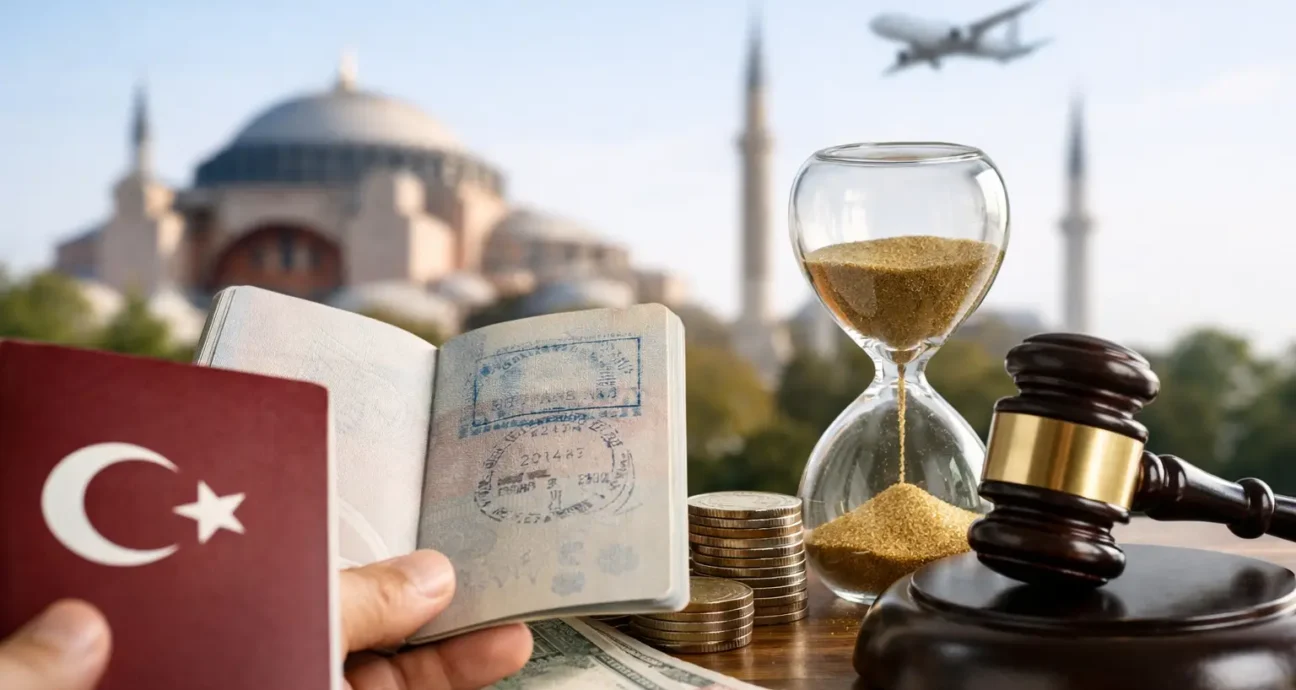
Missing your allowed stay in Turkey by a few days can feel like a small mistake until you reach passport control and find out there is a penalty attached to it. If you are searching for clear information about the tourist visa overstay fine Turkey applies, the first thing to know is that the outcome depends on more than just the number of extra days. The type of entry, your nationality, your visa status, and how long you overstayed can all affect what happens next.
For many foreigners, the hardest part is not the idea of paying a fine. It is the uncertainty. Will you be stopped at the airport? Is the fine fixed? Will you be banned from coming back? These are the questions that matter when you are trying to leave the country without creating a bigger legal problem.
How the tourist visa overstay fine Turkey applies
In practical terms, an overstay means you remained in Turkey longer than your visa, visa exemption period, or other lawful stay allowed. That can happen because a traveler misread the 90-in-180-day rule, assumed a hotel booking or flight change gave extra time, or thought a residence permit application automatically protected them when it did not.
The fine is usually assessed when you exit Turkey. Immigration officers review your records and determine whether you exceeded your legal stay. If you did, they may direct you to pay an administrative fine before departure is completed. The amount is not always the same from one person to another. It often depends on the overstay period and your individual status.
This is where many people get confused. There is no single simple chart that safely covers every case. Rules can change, implementation can vary, and officers may look at the exact legal basis of your stay. That is why broad online claims such as “you only pay for each day” or “nothing happens if it is under 10 days” should be treated carefully.
What affects the overstay penalty
The length of the overstay is a major factor, but it is not the only one. Someone who overstayed by a short period after visa-free entry may face a different practical result than someone who stayed for months after their permission expired.
Your nationality can matter because Turkey has different entry arrangements with different countries. The fine structure may also connect to fees or charges associated with your visa category or status. In some cases, what people call a tourist visa overstay fine in Turkey includes not only an administrative penalty but also visa-related fees that were not properly paid because the person remained beyond the permitted period.
Another key issue is whether there are aggravating circumstances. If the overstay is long, repeated, or tied to broader immigration noncompliance, the consequence may go beyond a fine. An entry ban can be imposed, and the duration may depend on how serious the overstay was and whether the person paid the assessed amount.
What usually happens at the airport or border
For most travelers, the issue comes up when leaving Turkey. At passport control, the system shows the entry date and authorized stay period. If there is an overstay, you may be sent to another desk for review.
At that point, officers may calculate the amount due and tell you where to pay it. In many cases, the process is administrative rather than criminal. That matters, because people often panic and imagine detention or a courtroom. A routine overstay is generally handled through exit control procedures, though the experience can still be stressful and time-sensitive.
You should also be prepared for delays. If your flight is close, an overstay payment process can create real pressure. It is better to arrive early if you already know there may be a problem. Bring your passport, visa records if available, proof of any recent immigration application, and enough funds to cover a possible payment.
Can you leave Turkey without paying the fine?
Sometimes people ask whether they can refuse payment and just depart. That is risky. If a fine is imposed and not paid, future consequences may be more serious. One of the most important trade-offs here is immediate cost versus later immigration restrictions.
In some situations, failure to pay can increase the chance of an entry ban or make later applications more difficult. Even if you are allowed to leave, unpaid penalties can follow your record. If you plan to return to Turkey for tourism, study, business, family reasons, or residence, cleaning up the issue at the time of exit is usually the safer path.
That said, if you believe the overstay finding is wrong, the right move is not to argue casually at the airport. It is better to preserve documents, ask for clarity about the basis of the charge, and get legal guidance as soon as possible. Border desks are not the best place for detailed disputes.
Will an overstay lead to a re-entry ban?
It can, but not always. This is one of the biggest areas where the answer is simply: it depends.
A short overstay may lead only to a fine. A longer overstay may lead to both a fine and a temporary ban from re-entering Turkey. The exact period can vary. Whether the person pays the assessed fine can also affect the outcome.
Travelers often focus only on getting out of the country. That makes sense in the moment, but the more important question may be whether you will be allowed back in six months or next year. If Turkey is part of your work, family, investment, or long-term travel plans, the re-entry issue matters just as much as the money.
Common misunderstandings about overstaying in Turkey
One common mistake is thinking the visa sticker or e-Visa controls everything. In reality, your total lawful stay may be limited by separate timing rules, including the number of days you can stay within a rolling period. A visa can still be valid on paper while you have already used up your permitted days.
Another misunderstanding is assuming a residence permit application automatically gives legal stay from the moment you start preparing documents. Usually, what matters is the formal status of the application and whether you have the right proof showing your stay is protected while the process is pending.
People also assume that if they overstayed because of illness, canceled flights, or a family emergency, the penalty disappears. Sometimes humanitarian facts help explain the situation, and they may matter in later applications or formal review. But they do not automatically erase the legal overstay.
What you should do before leaving
If you already know you have overstayed, do not wait until boarding time to think about it. Check your passport stamps, visa terms, and the exact date your lawful stay ended. If there is any chance you miscounted your days, calculate them carefully.
If you have documents that may affect the assessment, keep them with you. This can include a residence permit application receipt, medical records, cancellation notices, or any official paper showing you had contact with immigration authorities. These documents may not remove the penalty, but they can help explain your status.
It is also wise to keep extra time at the airport and extra money available. Overstay cases can move quickly or slowly depending on the border point, staff workload, and your file. Planning for delay is much better than trying to solve it while your gate is closing.
When legal help makes sense
Not every overstay needs a lawyer. If the issue is minor, the fine is paid, and there is no sign of a longer immigration problem, some travelers simply resolve it at exit and move on.
Legal help becomes more useful when the overstay is lengthy, there may be a re-entry ban, there is confusion about pending residence status, or the person plans to return soon for work, family, or property matters. It is also worth getting support if you believe the overstay was recorded incorrectly.
For foreigners dealing with Turkish legal procedures in English, the real challenge is often access to clear documents and reliable explanations. That is exactly where a platform like Attorkey can help you organize the issue before it becomes larger.
If you already left and now want to return
If you exited Turkey after an overstay and are now unsure whether you can come back, do not assume the matter is closed just because you were allowed onto your flight. You may still face a restriction at the next visa application or at entry.
Before booking urgent travel, confirm your previous dates of stay, whether a fine was paid, and whether you received any written notice of a ban. If your return is time-sensitive, especially for family, school, or business reasons, it is worth checking your status carefully rather than finding out at the airport.
A missed deadline in Turkey does not always become a long-term immigration problem. But it can, especially when people guess instead of verifying their status. If you think you overstayed, treat it like a legal issue with practical consequences, not just a travel inconvenience. A little preparation now can save you from a denied entry later.