

How to Notarize a Passport Copy in Turkey
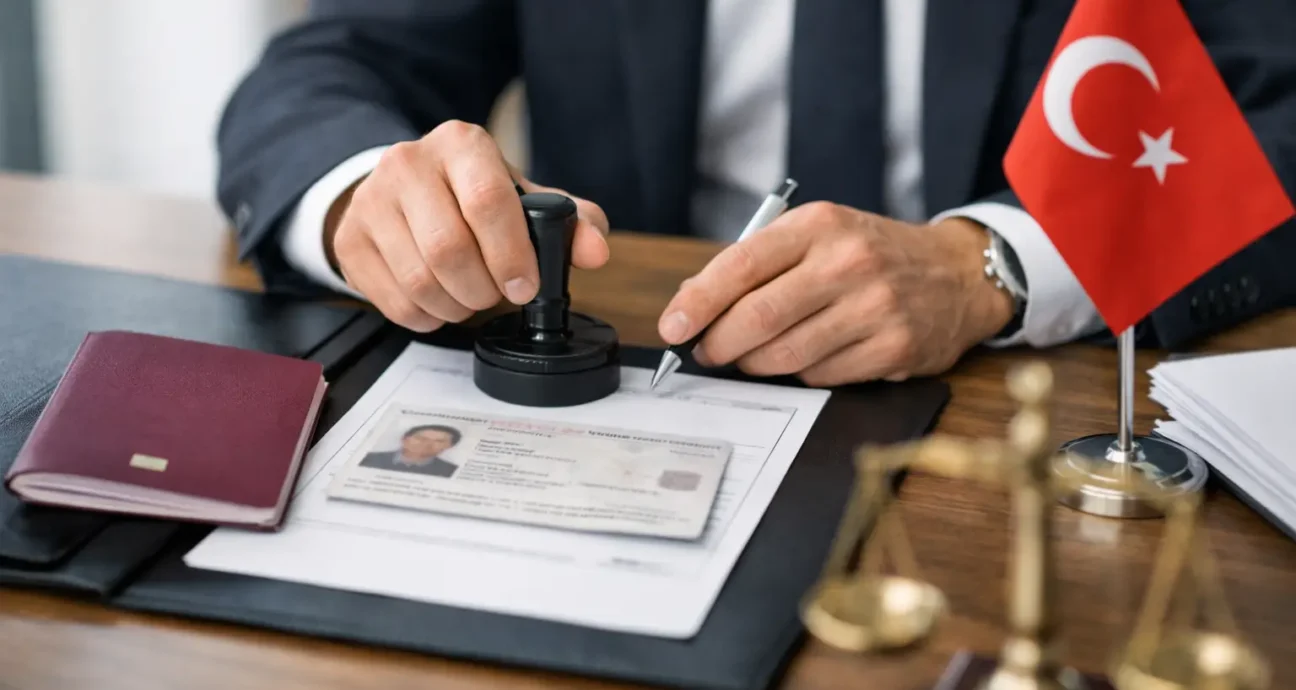
A bank, residence permit office, university, real estate agent, or employer may ask for a notarized copy of your passport. If you searched for “how to notarize passport copy turkey,” the practical answer is usually straightforward: take your original passport to a Turkish notary office, known locally as a noter, and ask for a certified copy. The details matter, however, because some institutions need a translated and notarized passport instead, while others may require apostille or consular certification.
What a Turkish notary can certify
A Turkish notary can generally certify that a photocopy matches the original passport presented to them. The notary reviews the original document, prepares or checks the copy, and attaches a certification statement with the notary’s stamp, signature, and registration details.
This does not mean the notary is confirming that your passport was validly issued by your home country. The certification normally confirms the copy’s conformity with the original shown at the office. That distinction can matter when the receiving institution is outside Turkey or has its own document rules.
For many routine Turkish transactions, a notarized passport copy is requested to establish identity. It is commonly used in property transactions, company paperwork, certain banking procedures, powers of attorney, school registrations, and administrative files. The organization requesting it should tell you whether it needs only the identity page or every page containing visas, entry stamps, or residence-related information.
How to notarize a passport copy in Turkey
Start by confirming exactly what the recipient wants. Ask whether they require a notarized photocopy, a notarized Turkish translation of the passport, or both. These are different services, and obtaining the wrong one can mean a second visit and additional cost.
Bring your original, current passport. A photocopy alone is usually not enough because the notary needs to compare it with the original. It is also sensible to bring a clear copy of the photo and personal-details page, although many notary offices can make the photocopy for you.
At the office, say that you need a certified passport copy. You can use the phrase “noter onaylı pasaport fotokopisi,” which means a notary-approved passport photocopy. Staff will usually inspect the passport, copy the requested pages, prepare the certification, and ask you to review the document before signing or paying.
Keep the original passport with you. The notary should return it after checking it. Before leaving, check that the certified copy includes the correct page, your full name and passport number are legible, and the notarial certification is attached to every document set you paid for.
If you need several copies, request them during the same appointment. It is often easier and less expensive than returning later, especially if the recipient will retain an original notarized set rather than accept a scan.
What to bring to the notary
For a basic passport-copy certification, bring your original passport and any written instruction from the bank, government office, employer, or other organization receiving it. If you have already made copies, bring those too, but expect the office to use its own copies if needed.
Take your Turkish tax number, residence permit, or local address information if the wider transaction involves one, but do not assume they are always required for the copy certification itself. Requirements can vary by notary office and by the document being prepared.
A notary’s hours can differ, particularly on weekends and public holidays. Larger cities have many offices, while smaller districts may have limited availability. Calling ahead can save time if you need translation, an interpreter, or multiple certified copies.
When you need a Turkish translation as well
A copy certification and a translation are not the same thing. Turkish institutions often need your passport details in Turkish, particularly where the document will be included in an official file, a contract, a power of attorney, or a registry application.
In that case, the usual sequence is to have the relevant passport pages translated into Turkish by a sworn translator, then have the translation notarized. The notary may work with translators directly or direct you to a nearby sworn translator. Ask whether the translation should cover only the identification page or additional pages containing visas, stamps, marital information, or other relevant details.
The notary may also ask for an interpreter if you are signing a Turkish-language statement and cannot understand its contents. Do not sign a document merely because it appears to relate to your passport. Ask for an explanation in a language you understand, and make sure the name spelling, nationality, passport number, and dates match the original exactly.
For a simple certified copy where you are not making declarations or signing a broader transaction, an interpreter may not be necessary. The office’s procedure can depend on the document and the notary’s assessment of the situation.
Does a notarized passport copy need an apostille?
Usually, no apostille is needed when the document will be used only in Turkey. A Turkish notarization is intended for use within the Turkish system unless the receiving authority says otherwise.
If you need to submit the notarized copy abroad, ask the foreign authority exactly what it accepts before paying for extra steps. An apostille is an international authentication process used between countries that participate in the Hague Apostille Convention. It confirms the authenticity of the signature or seal on a public document for international use. It does not validate the passport itself or automatically make every notarized copy acceptable everywhere.
There can be an additional complication: some countries or institutions will not accept an apostilled copy of a foreign passport notarized in Turkey. They may require certification by their own embassy or consulate, a certified true copy made by a local lawyer or notary in their jurisdiction, or a different identity-verification process. A visa office, overseas bank, or foreign university may have stricter rules than a Turkish institution.
For this reason, treat apostille as a recipient-specific requirement, not a standard part of passport-copy notarization. Obtain written confirmation whenever possible.
Costs and timing
Notary fees in Turkey are regulated but can vary depending on the number of pages, copies, translation, certification type, and any interpreter service. A basic passport copy is generally quicker and less costly than a translated, notarized passport document. Translation and interpretation add time and fees.
Many straightforward certifications can be completed during one visit, often while you wait. More complicated work, such as a translation for a power of attorney or a package of corporate documents, may take longer. If you have a deadline for an immigration, banking, or property matter, do not leave the notary visit until the final day.
Ask for the total fee before the work begins if you need multiple originals, translations, or other services. Keep the receipt and retain a digital scan of every notarized copy for your records. A scan will not replace the original notarized document, but it can help if you need to confirm what was submitted.
Common problems to avoid
The most common issue is bringing only a photocopy. A Turkish notary normally needs the original passport to certify that the copy matches it. Another frequent problem is requesting a notarized copy when the recipient actually requires a notarized Turkish translation.
Expired passports, damaged pages, unclear photographs, and inconsistent name spellings can also slow the process. If your passport uses a different spelling from your Turkish tax number, residence permit, title deed, or bank account, raise the issue before documents are prepared. A minor mismatch can cause problems in a later application.
Be careful with requests for complete passport copies. Share only the pages the receiving organization genuinely needs, unless a legal or administrative process requires more. Passport copies contain sensitive personal data, so keep your own copies secure and ask who will store them, for how long, and for what purpose.
A practical next step
Before visiting a noter, send one clear question to the organization requesting your passport: “Do you need a notarized copy of my passport, a notarized Turkish translation, or both?” That single confirmation can prevent most delays. If your situation involves immigration, property, company formation, or a document for use outside Turkey, take the receiving authority’s written requirements with you so the notary can prepare the right document the first time.