

Turkish Bureaucracy Checklist for Foreigners
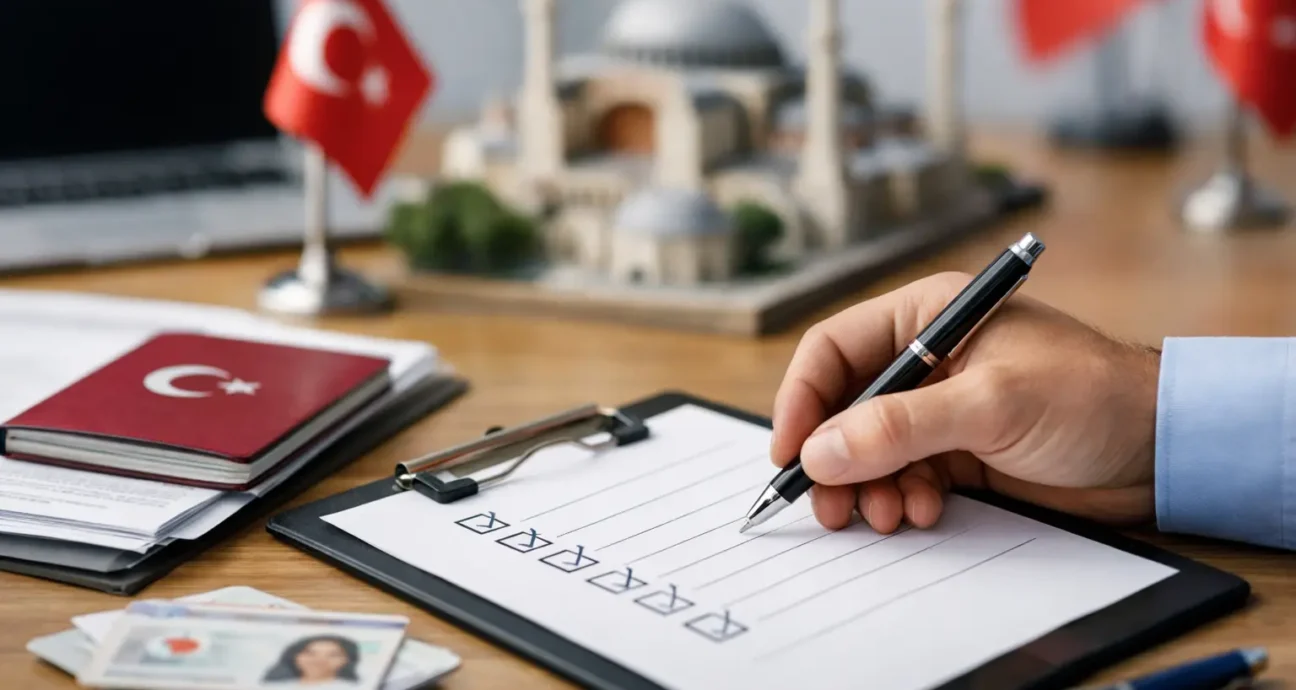
A missed apostille, an outdated passport copy, or an appointment made at the wrong office can turn a simple task into several extra weeks of waiting. This Turkish bureaucracy checklist helps foreigners prepare for common administrative processes in Turkey with fewer surprises, whether you are applying for residence, buying property, enrolling in school, starting a business, or handling a civil matter.
Turkish procedures can be very manageable when you arrive with the right documents in the right format. The challenge is that requirements may change by city, institution, nationality, and the purpose of your application. Treat every checklist as a preparation tool, then confirm the current requirements directly with the authority handling your case.
Start With the Exact Procedure, Not the Document List
Before collecting paperwork, identify the precise procedure you need. “Residence permit,” for example, is not one single process. A short-term residence permit for a property owner may require different evidence from a student residence permit, family residence permit, or work-related application. The same principle applies to tax registration, property transfers, marriage paperwork, and company formation.
Write down four details before you make an appointment: the name of the procedure, the authority responsible, the location where you must apply, and the deadline. A local municipality, tax office, immigration directorate, notary, land registry office, university, or court may each have its own role. Being sent from one institution to another is common, but knowing the starting point saves time.
If you are using an online appointment system, keep a screenshot or printout of your appointment confirmation. Bring it even if the office says it is not required. Systems can fail, names can be entered differently, and a simple record can help explain why you are there.
Your Turkish Bureaucracy Checklist: Core Documents
Most administrative applications begin with the same foundation. Keep a physical folder and a secure digital folder with clear file names and dates. Do not assume a scan on your phone will be accepted when an original, a color copy, or a notarized copy is requested.
For many procedures, you may need the following:
- Your original passport and copies of the identification page, visa page, entry stamp, and any current Turkish residence permit.
- A Turkish tax identification number, where the procedure involves payments, property, banking, contracts, or formal registration.
- Proof of your Turkish address, such as a notarized rental agreement, title deed, utility document, or address registration record, depending on the process.
- Biometric photographs that meet the required size and are recent enough for the relevant authority.
- Proof of payment for application fees, insurance, taxes, or service charges where applicable.
- Supporting documents tied to your reason for applying, such as a student certificate, employment documentation, marriage certificate, property records, bank evidence, or power of attorney.
Bring more copies than you think you need. Two or three extra copies can prevent a repeat visit, especially when an office keeps one set and another department asks for its own file. Keep original documents separate from copies so you do not accidentally leave an original behind.
Check Translation, Notarization, and Apostille Rules Early
Foreign documents often need more than an English translation. Depending on the document and the authority, you may need a sworn Turkish translation, notarization, legalization, or an apostille from the country where the document was issued.
These are not interchangeable steps. An apostille generally authenticates a public document for use abroad between countries that participate in the Hague Apostille Convention. A notarized Turkish translation confirms the translator’s work through a Turkish notary. One document may need both, and the order matters. In many cases, the apostille is obtained in the issuing country before the document is translated in Turkey.
Ask the receiving authority three direct questions: Does this document need an apostille? Does the Turkish translation need notarization? Is there a validity period? Documents such as criminal record certificates, civil status records, and bank statements may only be accepted if issued within a specific period.
Names are another frequent issue. If your passport, birth certificate, marriage certificate, and title deed spell your name differently, prepare an explanation and supporting records. Small differences in middle names, transliteration, or surname changes can delay an application until the discrepancy is resolved.
Build Time Into Every Stage
Administrative deadlines in Turkey can be strict, while appointment availability may be limited. Start collecting documents before you need them, particularly when you must request records from another country. International couriers, apostilles, translations, and notary appointments all add time.
Do not leave renewal applications until the final days of your current permission. For residence, work, and other status-related matters, filing dates can affect your legal position and travel plans. The correct timing depends on the application type, so verify the current renewal window and keep evidence of your submission.
Also plan for payment timing. Some fees must be paid before an appointment, others after an application is accepted, and some payments must be made through designated banks or online systems. Save receipts immediately. A receipt is often as important as the payment itself.
Prepare for the Office Visit
An office visit goes more smoothly when your papers are arranged in the order the clerk is likely to request them. Put the application form first, followed by identity documents, proof of address, supporting evidence, translations, payment receipts, and extra copies. Use tabs if your file is large.
Arrive early, but do not rely on the appointment time as a guarantee of immediate service. Busy offices may operate through queue numbers, security checks, or separate counters for document review and payment. Dress neatly, be patient, and keep your explanation of the request short and factual.
Language can affect the experience. Some staff members speak English, especially in areas with many foreign residents, but this is not guaranteed. If the matter is complex or has legal consequences, consider bringing a qualified interpreter or obtaining professional legal guidance. A friend may be helpful for ordinary communication, but should not interpret documents or make decisions you do not understand.
Never sign a Turkish document solely because someone says it is routine. Ask for time to read it, request an explanation, and obtain a translation if necessary. This is especially relevant for powers of attorney, property documents, settlement agreements, company papers, and notarized declarations.
Keep a Paper Trail After You Apply
Your responsibility does not end when you hand over the file. Ask for a receipt, application number, stamped copy, or written confirmation showing what was submitted. Record the date, office name, staff desk if known, and any instructions you received.
Create a simple timeline in your notes: appointment date, documents submitted, payments made, reference number, expected decision date, and follow-up date. This protects you if a file is misplaced and helps you explain the case clearly if you seek assistance later.
If an authority asks for additional documents, confirm whether there is a written deadline and whether the new item must be delivered in person, uploaded, notarized, or sent by mail. Do not assume a verbal request is optional. At the same time, if an instruction is unclear, ask for it to be written down or repeated in simple terms.
Common Mistakes This Checklist Can Prevent
The most expensive mistakes are usually small ones: using an expired document, providing a translation without the required certification, attending the wrong district office, forgetting a payment receipt, or submitting copies where originals are required. Another common problem is relying on advice that was correct for someone else but does not match your nationality, city, or application category.
Property buyers should be especially cautious. A tax number, passport translation, valuation report, title deed process, insurance, and payment evidence may each be relevant, but the requirements depend on the transaction and the property. Entrepreneurs face similar variation with company type, shareholder structure, sector permits, and tax obligations. In both cases, document preparation is only one part of the legal process.
Use official forms and current guidance whenever possible. Attorkey can help you organize questions, locate legal information, and compare your situation with issues other foreigners have encountered. For a decision involving significant money, immigration status, family rights, or legal liability, personalized professional advice may still be the right next step.
A well-prepared folder will not remove every delay, but it gives you control over the part you can control. Confirm the requirements, protect your originals, keep proof of every step, and ask questions before a missing document becomes a missed deadline.